
MARKET UPDATE · JULY 31, 2026 · 7 MIN READ
Understanding the Strait of Hormuz and Its Role in Petroleum Supply
Written by the PETRONIK Trading Desk
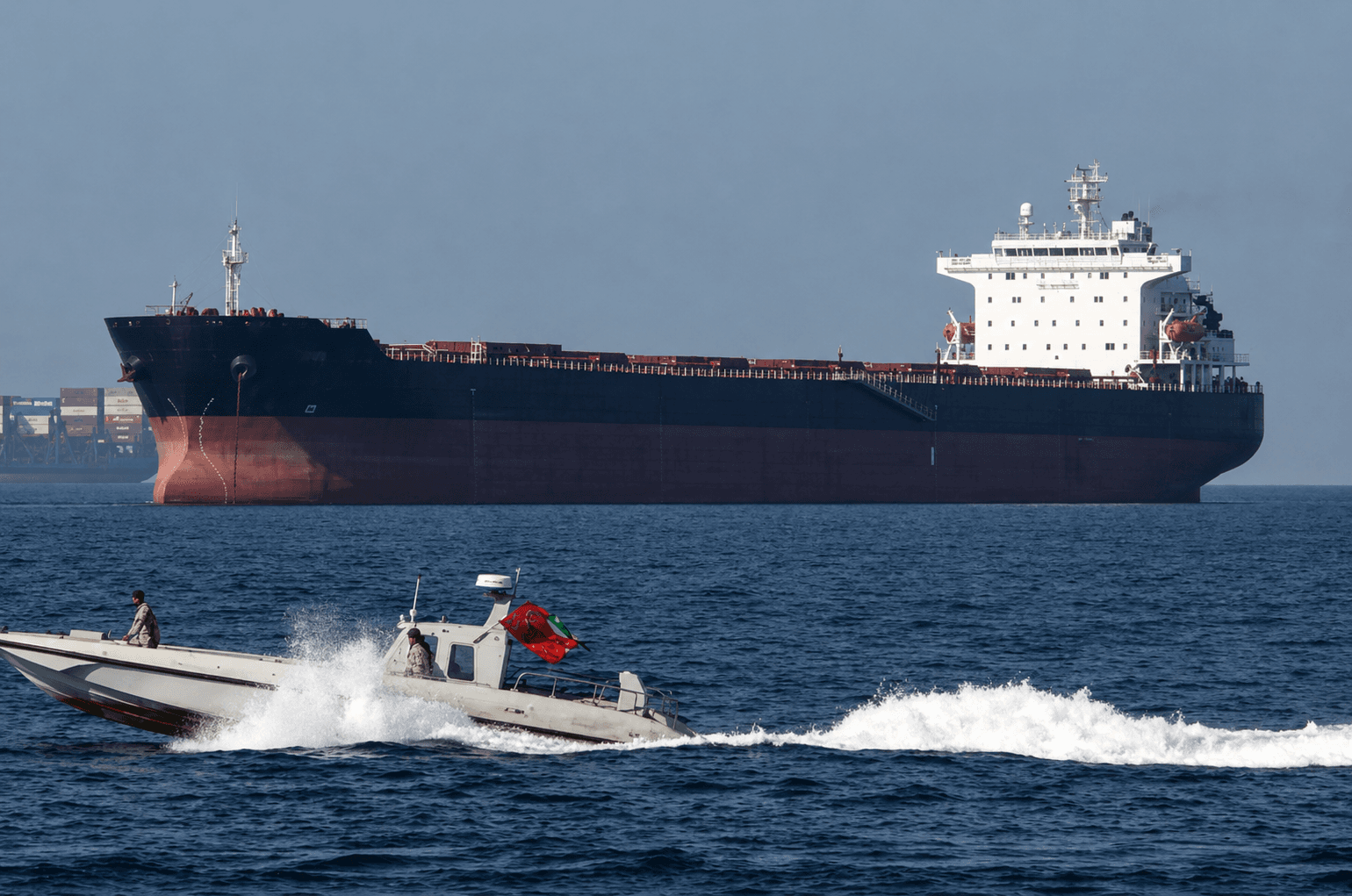
The Strait of Hormuz is one of the world’s most important maritime routes for petroleum and energy trade. Developments affecting vessel movement through the area can influence shipping schedules, freight costs, insurance and product availability across international markets.
What Is the Strait of Hormuz?
The Strait of Hormuz is a narrow waterway between Iran and Oman. It connects the Persian Gulf with the Gulf of Oman and the Arabian Sea, providing the principal maritime route for exports from several major energy-producing countries in the Gulf.
The route is used for the transportation of:
- Crude oil
- Refined petroleum products
- Liquefied natural gas
- Petrochemical products and feedstocks
- Other industrial and commercial cargo
According to the U.S. Energy Information Administration, oil flows through the strait have historically represented approximately one-fifth of global petroleum liquids consumption. This concentration makes the route important to both regional exporters and international buyers.
Why Shipping Conditions Matter
The operational status of a shipping route involves more than whether it is officially open or closed.
Shipowners, charterers, insurers and port operators also consider vessel safety, crew welfare, insurance coverage, port accessibility and the availability of suitable ships. A route may remain open while commercial traffic is reduced, delayed or subject to additional conditions.
The International Maritime Organization continues to monitor the situation in and around the Strait of Hormuz and describes regional shipping conditions as rapidly evolving. As a result, voyage feasibility may need to be confirmed at different stages of a transaction, including quotation, vessel booking, loading and departure.
How Disruption Can Affect the Supply Chain
Changes in vessel movement through the strait can affect several parts of a petroleum transaction.
Freight and Insurance
Shipping costs may change due to vessel availability, revised routes, insurance requirements or additional risk-related charges. Freight quotations may therefore have shorter validity periods during uncertain market conditions.
Delivery Schedules
Loading dates and estimated arrival times can be affected by port congestion, vessel repositioning, security reviews or revised sailing instructions. Buyers may need to work with wider delivery windows.
Product Availability
A product may remain available at its origin while transportation becomes more difficult or expensive. In other cases, supply from an alternative approved origin may be considered if it meets the required technical specification.
Inventory Planning
Longer or less predictable transit times can reduce the buyer’s available stock buffer. Procurement teams may need to compare consumption, current inventory and expected replenishment time before confirming new delivery schedules.
Commercial Terms
Changes to the route, loading port, shipment size or packaging can affect the delivered price and responsibilities of each party. The agreed Incoterms and the validity of freight-related charges should therefore be reviewed carefully.
Alternative Routes and Their Limitations
Some Gulf producers can move part of their supply through pipelines connected to alternative export terminals. Cargo may also be redirected through different ports or handled through other logistical arrangements.
These alternatives can support continuity, but they do not provide an identical replacement for all volumes, products or destinations. They may involve:
- Additional transportation and handling
- Different terminal capabilities
- Longer transit times
- Limited capacity
- Changes in packaging or shipment size
- Exposure to congestion or another maritime route
The suitability of an alternative therefore depends on the product, origin, destination, quantity and required delivery period.
What Buyers Should Review
During changing maritime conditions, buyers should confirm the following before placing an order:
Product Specification
Confirm the required grade, applicable standard and acceptable technical range. If alternative origins are being considered, the Technical Data Sheet and Certificate of Analysis should be reviewed.
Shipping Basis
Determine whether freight is confirmed or indicative, which route and loading port are being considered, and whether the offer remains subject to vessel availability or final approval.
Lead Time
Review the estimated loading period and transit time together. An expected arrival date should allow for possible operational changes.
Packaging and Quantity
Bulk, drum, bag, flexitank and containerised shipments have different vessel, port and handling requirements. The selected format should suit both the available supply route and the receiving facility.
Documentation
Changes to origin, loading point, vessel or packaging may require corresponding updates to the commercial invoice, packing list, certificate of origin, Certificate of Analysis and shipping documents.
Inventory Coverage
Buyers should consider whether existing stock can cover production or project requirements if the shipment arrives later than initially expected.
A Case-by-Case Approach
There is no single supply response that applies to every product or destination. The practical impact of Strait of Hormuz conditions depends on the required material, source, shipping method, destination and timing of the order.
Petronik reviews enquiries based on the requested product, specification, quantity, packaging, destination and delivery period. Product availability and shipping terms are confirmed for each transaction according to the conditions at the time of the enquiry.
Reference Sources
- International Maritime Organization: Middle East — Strait of Hormuz information and shipping updates
- U.S. Energy Information Administration: World Oil Transit Chokepoints
- United Nations Trade and Development: Strait of Hormuz Disruptions — Implications for Global Trade and Development
- U.S. Maritime Administration: Maritime advisories for the Persian Gulf, Strait of Hormuz, Gulf of Oman and Red Sea
- Original topic source: Rustam Taghizade, “The Hormuz Coil: A Dynamic Domino Effect Reading of the 24 July 2026 Crisis,” LinkedIn, 24 July 2026
Shipping conditions, freight, insurance and delivery schedules may change. Current terms should be confirmed for each transaction.