
PRODUCT GUIDE · JUNE 30, 2026 · 6 MIN READ
Oxidized Bitumen: Choosing the Right Grade for Industrial Applications
Written by the PETRONIK Trading Desk
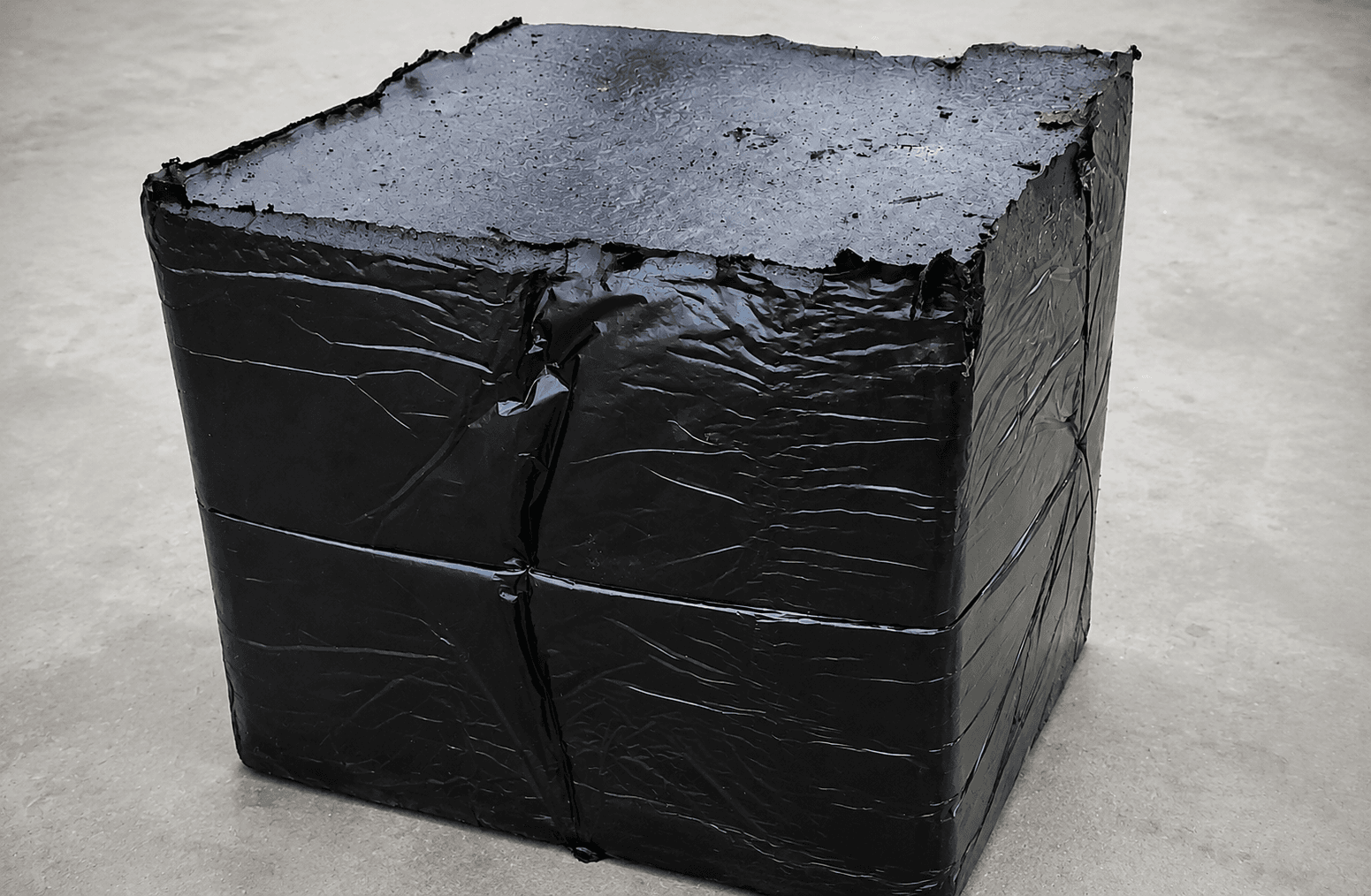
Oxidized bitumen is not one standard material. Different grades provide a specific balance of hardness, softening point and penetration for different industrial and construction uses.
What Is Oxidized Bitumen?
Oxidized bitumen, also known as blown bitumen, is produced by passing air through heated bitumen under controlled conditions.
This process changes the material’s physical properties, producing a harder product with a higher softening point and lower penetration than conventional paving-grade bitumen.
These characteristics make it suitable for applications requiring the material to retain its form, resist flow at elevated temperatures and provide a protective or waterproof barrier.
Oxidized bitumen should not be treated as a direct replacement for paving-grade bitumen. It is mainly selected for industrial manufacturing, waterproofing and specialised construction applications.
Understanding Oxidized Bitumen Grades
Oxidized bitumen grades are commonly identified by two numbers. For example, in Grade 85/25, the first number generally refers to the softening point in degrees Celsius, while the second represents the penetration value measured in tenths of a millimetre.
Common market grades include:
- 75/35
- 85/25
- 90/15
- 90/40
- 95/25
- 105/35
- 115/15
- 115/35
- 150/5
A higher softening point does not automatically mean a grade is better. It means the product behaves differently.
The correct grade must match the performance and processing requirements of the finished product. Actual values, tolerances and test methods should always be confirmed through the Technical Data Sheet and Certificate of Analysis.
Where Is Oxidized Bitumen Used?
Depending on the selected grade and formulation, oxidized bitumen can be used in:
- Roofing membranes and built-up roofing systems
- Waterproofing products
- Pipe-coating and protective compounds
- Expansion-joint fillers
- Industrial sealants, mastics and adhesives
- Electrical insulation materials
- Industrial flooring and construction products
- Protective coating formulations
Each application places different demands on the material. Roofing products may require a higher softening point to control flow under heat, while sealants or joint fillers may require a different balance of hardness and workability.
What Buyers Should Check Before Ordering
Before confirming an order, buyers should review more than the product name:
- End application — Define how the material will be processed and where the finished product will be used.
- Softening point and penetration — Confirm the required range and applicable test method.
- Operating conditions — Consider the service temperature, climate and exposure conditions.
- Technical documents — Review the TDS, SDS and a representative or batch-specific COA, as applicable.
- Packaging format — Select packaging that fits the customer’s melting, unloading and storage setup.
- Destination requirements — Check local import rules, labelling, palletisation and shipping-document requirements.
Providing this information allows the supplier to match the commercial offer with the technical and logistical requirements of the order.
Packaging and Supply Planning
Oxidized bitumen may be supplied in formats such as meltable bags, kraft paper bags, cartons, steel drums or palletised units, depending on the grade, quantity and destination.
Packaging should not be selected only on price. Buyers should also consider:
- Container utilisation
- Climate during transportation
- Storage conditions
- Unloading procedures
- Potential product loss
- Equipment available for melting or processing
For international shipments, the product specification, packaging, documentation and delivery schedule must be properly coordinated. A technically correct grade can still create operational problems if the packaging is unsuitable for the receiving facility.
Supporting the Right Product Selection
Petronik supports importers, distributors, contractors and industrial manufacturers with the sourcing and supply of petroleum and petrochemical products across regional and international markets.
For an oxidized bitumen enquiry, customers should provide the required grade or technical parameters, end application, quantity, destination and preferred packaging.
This allows our team to review the requirement and propose the most suitable supply option.